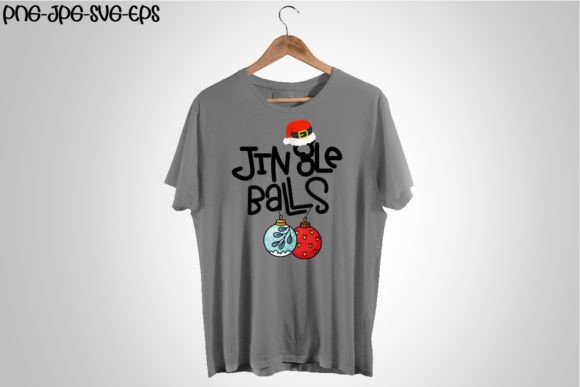
Jingle Balls, Christmas: A Designer's Review for Holiday Stitching
As we approach the peak of the holiday season, the pressure to deliver unique, high-quality handmade products intensifies. For those of us running small shops or managing custom orders, every embroidery project counts. Recently, I've been evaluating a specific design titled Jingle Balls, Christmas to see if it holds up under the scrutiny of real-world production. This isn't just about whether a file opens correctly; it is about how an Illustrations-style graphic translates into thread, how it behaves on different substrates, and whether it adds genuine value to a finished product.
First Impressions and Visual Personality
When I first loaded the digital embroidery file for Jingle Balls, Christmas into my editing software, the immediate takeaway was its playful yet classic mood. The layout captures the essence of traditional holiday decor without feeling dated. As an Illustrations category item, it relies heavily on clean lines and balanced spacing rather than overly complex shading. This is a crucial distinction for machine work. Designs that attempt too much photographic detail often result in muddy stitching, but this one seems to respect the limitations of the medium.
The visual personality suggests a design that works best when it is allowed to breathe. It doesn't scream for attention with excessive density, which is a relief. In my experience, holiday designs often suffer from "over-stitching," where the desire to make things festive leads to stiff, cardboard-like results on fabric. Jingle Balls, Christmas appears to avoid this trap, offering a layout that feels organic and suitable for a wide range of applications, from cozy home goods to wearable art.
Real-World Application: The Tote Bag Test
To truly gauge the potential of this design, I envisioned a specific real-life scenario: preparing a run of custom tote bag designs for a local boutique's holiday pop-up shop. Canvas totes are a staple for Etsy sellers and craft fair vendors because they are practical and offer a large stitch area. However, the texture of canvas can be unforgiving.
In this context, Jingle Balls, Christmas shines because of its likely reliance on clear shapes. If the design utilizes a mix of satin stitch for outlines and fill stitch for the main bodies of the ornaments, it should sit nicely on the woven texture of a tote. The key here is contrast. On a natural beige or heavy cotton canvas, the thread colors chosen for this design would need to be vibrant to pop against the background. I can imagine this working beautifully as a central chest logo on a tote, creating a small shop product that feels professional rather than homemade in the amateur sense.
Beyond totes, this design is a strong contender for sweatshirt embroidery. The holiday market for personalized loungewear is massive. Placing Jingle Balls, Christmas on the left chest or as a larger back print on a fleece hoodie could create a best-selling custom apparel item. The illustration style tends to look modern on streetwear, bridging the gap between traditional holiday motifs and contemporary fashion trends.
Navigating Fabric Challenges and Technical Constraints
While the aesthetic appeal is strong, a responsible designer must also consider where this design might struggle. Not every fabric is created equal. If you are planning to use Jingle Balls, Christmas on stretchy knits, like a baby onesie for baby embroidery projects, you must be cautious. Illustration-style designs often have distinct edges that can pucker if the fabric shifts during stitching. Using the correct stabilizer is non-negotiable here. A cut-away stabilizer would likely be necessary to maintain the integrity of the shape after washing.
Another area for careful consideration is the hoop size. Without specific dimensions provided in the base description, you must verify the maximum hoop requirement before committing to a project. If the design is large, it may not fit on a standard cap frame, limiting its use for embroidered patch creation or hat customization unless the file includes multiple resized versions. Furthermore, if the design features tiny details or tight corners, these areas are prone to thread breaks or bird-nesting on lower-end machines. Testing on scrap fabric of the same weight and texture as your final material is the only way to mitigate this risk.
Dark fabrics present another variable. If the stitch density is too low, the underlying fabric color might show through, dulling the vibrancy of the Jingle Balls, Christmas motif. In such cases, adding an underlay stitch or choosing a design version with higher coverage is essential to ensure the finished product looks crisp and professional.
Commercial Viability and Brand Consistency
For commercial embroidery professionals and craft business owners, the ultimate question is whether a design enhances brand value. Jingle Balls, Christmas has the potential to do exactly that. Its clean illustrative style conveys a sense of thoughtfulness. When a customer receives a pillow cover or kitchen towel featuring this design, the clarity of the stitches signals quality. This builds customer trust and encourages repeat business.
Moreover, the versatility of the design allows for consistent branding across different product lines. You could use it on a tea towel, a tote, and an apron, creating a cohesive holiday collection. This consistency is vital for boutique branding. However, before selling any items made with this embroidery file, you must confirm the licensing terms. Some designers allow unlimited commercial use for physical goods but restrict the sale of the digital file itself. Always read the fine print to protect your business.
Final Verdict and Practical Notes
In summary, Jingle Balls, Christmas appears to be a robust choice for the upcoming season, provided it is handled with technical care. It fits naturally into the current trend of nostalgic yet clean holiday aesthetics. To get the best results, I recommend the following steps before starting production:
- Test extensively: Run the design on scrap fabric that matches your final product's weight and weave.
- Check contrast: Ensure your thread palette stands out against both light and dark backgrounds.
- Verify sizing: Confirm the hoop size requirements to ensure it fits your intended placement, especially on smaller items like caps or pockets.
- Review density: Look for areas that might be too dense for delicate fabrics like silk or thin cotton.
- Mockup visualization: Create black-and-white mockups to check if the design holds its shape without relying solely on color.
Ultimately, a great machine embroidery design is one that solves a problem for the maker while delighting the end user. Jingle Balls, Christmas seems poised to do just that, offering a blend of charm and practicality that can elevate everything from a simple personalized gift to a flagship item in your holiday catalog. Just remember, the difference between a good stitch-out and a great one often lies in the preparation.