Christmas Graphics: A Designer's Review for Holiday Stitching
As we approach the busiest season for custom apparel and handmade gifts, finding the right machine embroidery design can make or break a product line. I recently spent time evaluating Christmas Graphics, a collection categorized under Illustrations, to see if it holds up under the scrutiny of real-world production. My goal wasn't just to look at pretty pictures on a screen, but to determine how these files translate into thread, fabric, and finished products that customers will love and trust.
First Impressions and Visual Personality
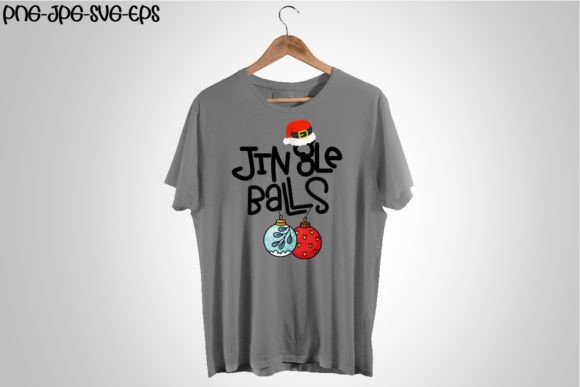
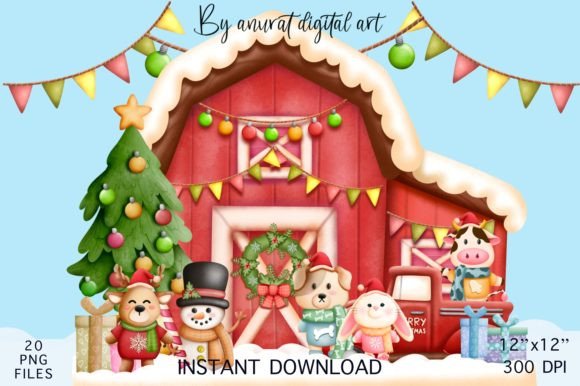
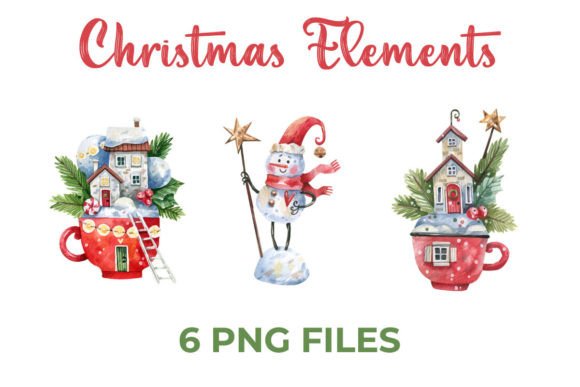
When I first opened the files for Christmas Graphics, the immediate impression was one of whimsical charm mixed with classic holiday nostalgia. The lines are clean, and the shapes feel deliberate rather than cluttered. For an embroidery designer, this is crucial; overly complex illustrations often turn into a muddy mess once stitched out. These graphics strike a balance where the visual personality shines through without demanding impossible stitch counts.
The mood created by these designs is warm and inviting, perfect for the current trend of cozy, boutique-style holiday items. Whether you are aiming for a rustic farmhouse aesthetic or a modern minimalist look, the layout of these illustrations adapts well. The detail level is moderate, which suggests they are intended to be seen from a comfortable distance rather than inspected under a magnifying glass. This makes them ideal for items like tote bag designs or sweatshirt embroidery where the overall impact matters more than microscopic precision.
Real-World Application: The Custom Tote Bag Test
To truly gauge the potential of Christmas Graphics, I simulated a project for a small shop owner looking to launch a limited-edition holiday collection. The scenario involved creating a series of canvas tote bags for a local boutique. The client wanted something that felt handmade but professional enough to justify a premium price point.
I selected a graphic featuring a stylized winter scene. On a medium-weight canvas, the design performed beautifully. The fill stitch areas provided solid coverage without excessive puckering, and the satin stitch outlines added a nice definition that made the image pop against the natural fabric texture. The result was a handmade product that looked intentional and high-quality. Customers interacting with this finished product would likely perceive it as a thoughtful personalized gift rather than a mass-produced item.
Beyond totes, I can easily envision these graphics working on baby embroidery projects, such as bibs or onesies, provided the scale is adjusted correctly. They also fit seamlessly into holiday embroidery themes for kitchen towels and aprons, adding a festive touch to everyday household items. For Etsy sellers and creative entrepreneurs, these assets offer a versatile foundation for building a cohesive seasonal catalog.
Navigating Fabric Challenges and Technical Constraints
While Christmas Graphics shows great promise, a responsible reviewer must highlight where caution is needed. Not every fabric behaves the same way, and illustration-based designs can be tricky on difficult surfaces. If you plan to use these on stretchy fabrics like jersey knits for custom apparel, you must pay close attention to your stabilizer choice. Without proper support, the dense areas of the design could cause the fabric to pucker or distort over time.
Similarly, textured fabrics like heavy wool or looped towels might obscure some of the finer details inherent in an Illustrations category file. The tiny running stitches that define certain edges might get lost in the pile of the fabric. In these cases, I recommend testing the design on a scrap piece first. It is also wise to consider how the design looks on dark fabrics. If the original file relies on light thread colors for contrast, you may need to manually adjust the thread colors in your software to ensure visibility and maintain the design's integrity.
Curved surfaces present another challenge. If you are attempting to place these graphics on caps or hats, be mindful of the hoop size and the curvature of the front panel. Large, wide illustrations might not sit flat on a structured cap, leading to gaps in stitching or alignment issues. For these applications, scaling the design down or selecting a simpler version from the set is often the smarter move.
Enhancing Brand Value and Customer Trust
In the world of craft business and commercial embroidery, consistency is key to building brand recognition. Using a well-curated set like Christmas Graphics helps maintain a professional look across different products. When a customer sees a matching motif on a pillow cover, a tea towel, and a sweatshirt, it reinforces the perception of a thoughtful, curated small shop product.
The clarity of the stitching directly impacts the perceived value of the item. Sloppy or unclear designs can erode customer trust, making a printable mockup look nothing like the reality. However, when executed with care, these graphics elevate the embroidery project from a simple craft to a desirable commodity. They encourage buyer engagement because they evoke emotion and fit perfectly into the narrative of holiday giving and celebration.
Practical Notes for the Professional Maker
Before committing to a full production run with Christmas Graphics, here are a few essential steps I recommend taking:
- Test on Scrap Fabric: Always stitch a sample on the exact material you intend to use for the final product to check for tension and registration issues.
- Check Thread Contrast: Ensure your chosen thread colors provide enough contrast against the fabric background, especially for detailed sections.
- Review Stitch Density: Look closely at the density settings. If an area feels too dense, it might cause needle breakage or fabric stiffness.
- Confirm Hoop Size: Verify that the design fits within your available hoop dimensions without needing excessive re-hooping, which can lead to alignment errors.
- Inspect Small Details: Zoom in on the preview to ensure tiny elements won't get lost or cause thread breaks during stitching.
- Mockup Verification: Create black and white mockups to see how the design reads without the distraction of color, ensuring the form remains strong.
- Licensing Check: Since these are design assets, always confirm the licensing terms before selling finished items or digital products to ensure you are compliant with commercial use rules.
Ultimately, Christmas Graphics offers a solid foundation for holiday creativity. It bridges the gap between artistic illustration and practical digital embroidery file utility. While it requires the usual due diligence regarding fabric selection and machine setup, its versatility makes it a valuable addition to any designer's library. Whether you are creating a single embroidered patch for a friend or stocking shelves for a busy holiday market, these designs have the potential to deliver results that delight both the maker and the recipient.