Animal Christmas: A Designer's Take on Holiday Stitching
When I first pulled up the Animal Christmas file on my screen, I wasn't looking for another generic holiday motif. As someone who spends hours hooping fabric and trimming jump stitches, I need designs that hold up under the needle and look good on a finished product. This piece falls squarely into the Illustrations category, which immediately tells me to expect a certain level of narrative detail rather than a simple monogram or geometric shape. The initial impression is one of whimsy and warmth; it captures that specific cozy feeling we all chase during the winter season without leaning too hard into cliché.
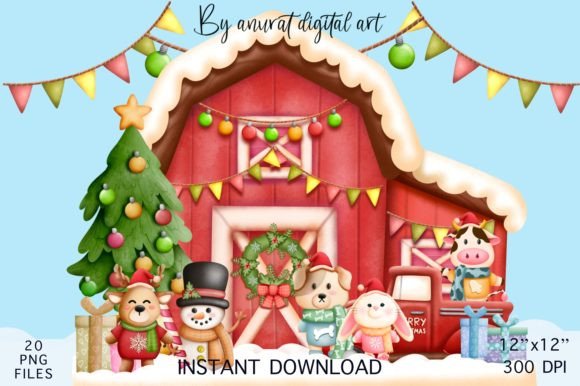
The visual personality of Animal Christmas suggests a design that thrives on character. Whether it features a woodland creature in a scarf or a playful pet amidst festive decor, the layout feels balanced. For us as embroidery designers, balance is everything. A lopsided illustration can ruin the drape of a garment or make a tote bag look amateurish. From what I can see, the flow of the elements here invites the eye to move naturally across the subject, which is crucial when you are trying to sell a handmade product that feels premium.
Putting the Design to Work in Real Scenarios
Let's get practical. Imagine you are preparing a custom order for a boutique client who wants a limited run of sweatshirt embroidery for their holiday collection. Or perhaps you are an Etsy seller looking to launch a new line of personalized gift items before the rush hits. This is where Animal Christmas really needs to prove its worth. I envision this design working beautifully on a heavy cotton tote bag. The structure of the bag supports the weight of the stitching, and the illustrative nature of the art gives the bag a story.
However, context matters. If you are planning to use this for baby embroidery, you have to think about softness. An illustration often implies more coverage, which means more thread on the fabric. On a delicate onesie, you might need to adjust your stitch density or choose a lighter weight stabilizer to ensure the garment remains comfortable against sensitive skin. Conversely, if you are making an embroidered patch to be ironed onto denim jackets, the density becomes an asset, providing that raised, textured look that customers love.
I also see strong potential for this design in home decor. Think about a kitchen towel or a pillow cover. These items allow for a larger hoop size, giving the illustration room to breathe. When a customer sees a detailed animal scene stitched onto a linen pillow, it elevates the perceived value of the item instantly. It stops being just a piece of cloth and starts being a small shop product with brand identity.
Navigating Fabric Textures and Hoop Constraints
Every designer knows that a file looks perfect on the monitor but can behave wildly differently on actual fabric. With an illustrative design like Animal Christmas, you need to be wary of textured fabrics. If you try to stitch this on a waffle knit or a heavily slubbed linen, those fine details might get lost or distorted. The running stitch outlines that define the character's features could sink into the texture, making the image look muddy. For best results, stick to smooth, tightly woven fabrics like twill, broadcloth, or high-quality fleece.
Another critical factor is the hoop size. Illustrations often demand space. Before you commit to a project, check the dimensions of the embroidery file. If you are working on a curved surface like a cap, you might run into issues if the design is too wide. Caps require a specific approach; the curvature can distort horizontal lines. If Animal Christmas has significant width, it might be better suited for a beanie or a flat brim rather than a structured baseball cap. Always test your hoop placement on a scrap piece of the actual material you intend to use. This simple step saves hours of frustration and wasted thread.
Stitch Quality and Commercial Viability
For those of us running a craft business, the durability of the finished product is non-negotiable. Customers expect their custom apparel to survive the wash cycle. When evaluating Animal Christmas, pay close attention to the transition between color blocks. Are there long jumps that need trimming? Is the satin stitch used for borders wide enough to prevent fraying over time? A professional finish means taking the time to trim every loose end and ensuring the backing is completely covered.
The choice of thread colors will make or break this design. Since it is an illustration, it likely relies on contrast to define shapes. Don't be afraid to deviate from the suggested color map if it suits your brand better. Maybe your shop specializes in muted, earthy tones, or perhaps you go bold with neons. Testing the design in black and white mockups first can help you understand the value structure without getting distracted by hue. If the design holds up in grayscale, it will translate well to any color palette you choose.
Furthermore, consider how this design fits into your broader catalog. Does it complement your existing design assets? Consistency builds trust. If a customer buys a tote bag design from you in July and comes back for a holiday item in December, they should feel a sense of familiarity in the quality and style. Animal Christmas has the versatility to fit into various collections, from rustic farmhouse styles to modern minimalist aesthetics, depending on how you execute it.
Final Thoughts for the Practical Maker
Before you list this as a printable mockup or start stitching batches for a craft fair, do your due diligence. Verify the licensing terms. Just because you bought the digital embroidery file doesn't automatically mean you have unlimited commercial embroidery rights. Some designers restrict the number of physical items you can sell, while others offer a buyout. Read the fine print to protect your business.
Also, remember that no two machines are identical. What stitches out perfectly on a multi-needle commercial machine might need tension adjustments on a single-needle home unit. Test on scrap fabric first. Check the registration of the colors. Ensure the fill stitch isn't too dense for your fabric type. These small checks are the difference between a hobbyist project and a professional finished product.
In the end, Animal Christmas offers a charming entry point for holiday projects. It bridges the gap between cute and sophisticated, making it a viable option for both personal gifts and retail merchandise. Whether you are decorating a holiday embroidery banner or creating a signature look for a local boutique, this design has the potential to deliver results that delight customers and reflect well on your craftsmanship. Just approach it with the eye of a critic and the hands of a pro, and you will create something truly special.