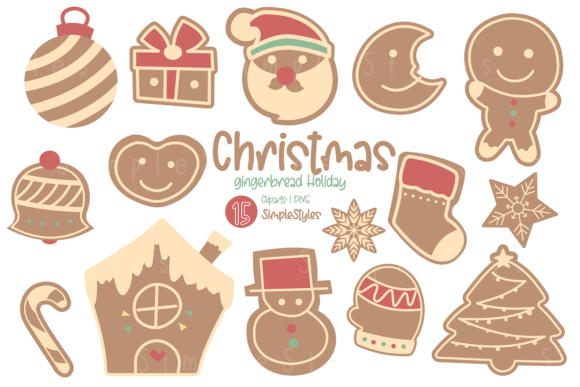
Review: Christmas Retro Gingerbread for Holiday Embroidery
As we approach the peak season for holiday crafting, I've been sorting through my digital library to find designs that strike the right balance between nostalgic charm and technical reliability. Today, I'm taking a close look at Christmas Retro Gingerbread, an illustration-style design that immediately caught my eye for its vintage aesthetic. Having spent years stitching everything from delicate baby onesies to heavy-duty workwear, I approach every new machine embroidery design with a critical eye. It's not just about how it looks on the screen; it's about how it behaves under the needle and how it translates into a tangible handmade product that customers will love.
The Visual Appeal and Nostalgic Mood
The first thing you notice about Christmas Retro Gingerbread is its distinct personality. Unlike modern, minimalist line art or overly complex photorealistic renders, this design leans heavily into a mid-century illustrative style. The shapes are bold yet whimsical, evoking memories of classic holiday storybooks and old-fashioned cookie tins. For an Etsy seller or boutique owner, this mood is invaluable. It taps directly into the current trend of "grandmillennial" style and cozy nostalgia.
From a designer's perspective, the layout appears well-considered. The elements are grouped in a way that suggests a cohesive unit rather than scattered clip art. This makes it versatile for various embroidery project types. Whether you are aiming for a cute accent on a kitchen towel or a statement piece on a tote bag, the visual weight of the gingerbread figure feels substantial without being overwhelming. The retro vibe ensures that the finished product feels timeless rather than trendy, which is crucial for items intended to be kept as heirlooms or seasonal decorations year after year.
Real-World Application: The Holiday Tote Bag Scenario
To truly evaluate this design, I imagined a specific real-life scenario: creating a limited run of holiday gift totes for a local bakery. The goal was to produce a tote bag design that looked professional enough for retail but handmade enough to feel special. Christmas Retro Gingerbread fits this brief perfectly. On a canvas or cotton twill bag, the illustrative lines would pop beautifully against a natural or deep red fabric background.
In this context, the design serves as more than just decoration; it becomes part of the brand identity. A customer receiving a package in a bag featuring this charming gingerbread character instantly associates the warmth of the design with the quality of the goods inside. It elevates a simple cloth bag into a personalized gift that the recipient might actually want to reuse. For small shop products, this kind of emotional connection is what drives repeat business. The design's clarity ensures that even from a distance, the subject matter is unmistakable, making it effective for craft fair displays where visual impact is key.
Performance on Different Fabrics and Garments
When considering custom apparel, such as a cozy sweatshirt or a festive apron, the performance of the embroidery file becomes critical. Illustrations often rely on clean lines and specific fill areas. If Christmas Retro Gingerbread utilizes a mix of satin stitch for outlines and fill stitch for the body, it should provide excellent coverage on medium-weight fabrics like fleece or cotton blends. However, one must be mindful of stitch density. High-density fills can make a garment stiff, which is undesirable for something worn next to the skin like a baby embroidery item or a comfortable hoodie.
For textured fabrics like waffle weave or Terry cloth, the sharp details of a retro illustration might get slightly lost if the stitch count isn't optimized for texture. In these cases, using a heavier cut-away stabilizer is non-negotiable to prevent the fabric from pulling and distorting the gingerbread's shape. Conversely, on smooth materials like poplin for pillow covers or tea towels, the design should shine, offering crisp edges and vibrant color transitions. If the design includes tiny details, testing on a scrap piece of your intended fabric is the only way to guarantee success before committing to a production run.
Technical Considerations for Commercial Use
For those running a craft business, consistency is king. When using Christmas Retro Gingerbread across different products, you need to ensure the thread colors remain consistent. Retro palettes often rely on specific muted tones—mustards, burnt oranges, and forest greens. Sourcing high-quality threads that match these nuances is essential for maintaining a professional look. A mismatched green can make a vintage design look cheap rather than curated.
Furthermore, consider the hoop size requirements. While the design might fit in a standard 4x4 hoop for small applications like patches or pocket logos, scaling it up for a blanket or large wall hanging requires checking if the resolution holds up. Enlarging a raster-based preview can be misleading, so always refer to the actual vector data or machine file specifications. If you are selling these as digital embroidery file assets, clear documentation on recommended sizes and fabric types adds immense value to your listing and reduces customer support queries.
Where to Exercise Caution
Not every surface is suitable for every design. With Christmas Retro Gingerbread, extra care should be taken when embroidering on stretchy knits or curved surfaces like caps. The structural integrity of the illustration could compromise if the fabric stretches significantly during wear. Additionally, if the design features fine lettering or intricate corner details, these areas are prone to thread breaks or bird-nesting if the machine tension isn't perfectly calibrated. For items that will undergo frequent washing, such as kitchen towels or children's clothing, ensuring that the satin columns are wide enough to withstand abrasion is vital for longevity.
Final Verdict for Designers and Makers
Ultimately, Christmas Retro Gingerbread stands out as a strong contender for holiday collections. Its strength lies in its ability to convey warmth and tradition through a clean, illustrative lens. For commercial embroidery projects, it offers a safe yet stylish choice that appeals to a broad demographic. Whether you are creating holiday embroidery for personal gifts or stocking your online store with festive design assets, this motif has the versatility to perform well across various mediums.
Before diving into production, remember to test your applique design or standard stitch-out on scrap fabric to verify tension and density. Check the licensing terms carefully to confirm whether the file allows for unlimited finished goods sales or if there are restrictions on redistributing the digital file itself. By combining this charming design with thoughtful material selection and precise machine setup, you can create printable mockup images that sell themselves and finished products that bring genuine joy to your customers. In the competitive world of handmade goods, a design that balances aesthetic appeal with technical soundness is a true asset.