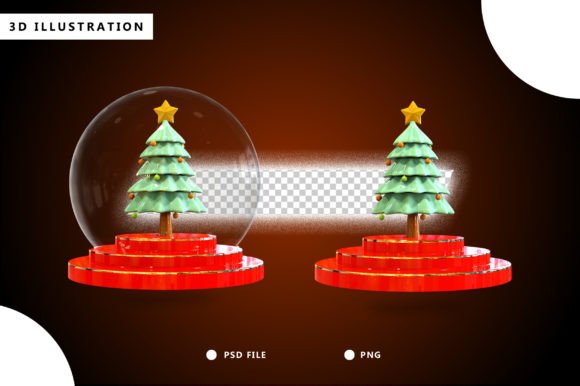
Review: 3d Illustration of a Christmas Snow for Embroidery
As a designer who spends more time staring at stitch simulations than actual snowflakes, I approach every new machine embroidery design with a mix of curiosity and skepticism. When I first pulled up the 3d Illustration of a Christmas Snow on my screen, my immediate reaction wasn't just about the holiday spirit; it was about technical feasibility. We all know that what looks stunning in a high-resolution digital preview can sometimes turn into a bird's nest of thread on the actual fabric. This review breaks down how this specific asset holds up when moved from the computer screen to the hoop, specifically for those of us running small shops or creating high-end personalized gifts.
The Visual Personality and First Impressions
The 3d Illustration of a Christmas Snow carries a distinct mood. Unlike flat, cartoonish winter icons, this design leans into depth and texture, mimicking the way light hits fresh powder or ice crystals. For an embroidery project, this is both a blessing and a challenge. The visual personality suggests sophistication, making it an excellent candidate for boutique branding rather than generic craft fair items. The layout appears balanced, with a central focus that draws the eye without feeling cluttered. However, the "3d" effect in a digital file often relies on subtle gradients and shadows. In embroidery, we have to translate those gradients into thread colors and stitch angles. If the design relies too heavily on tiny details to create that depth, it risks getting lost on textured fabrics.
Real-World Application: The Holiday Tote Test
To truly evaluate this design, I imagined a real-life scenario: preparing a run of custom embroidered tote bags for a local boutique's holiday collection. The goal was to create a handmade product that felt premium enough to justify a higher price point. The 3d Illustration of a Christmas Snow seemed perfect for this. On a sturdy canvas tote, the design's potential for varied stitch density could shine. Using a combination of satin stitch for the crisp edges and fill stitch for the body of the snow illustration would likely create the tactile dimension customers love.
However, placing this on a sweatshirt requires a different strategy. For sweatshirt embroidery, the fabric is thicker and often fuzzier. A design with fine lines might sink into the fleece, losing its definition. In this case, the 3d Illustration of a Christmas Snow would need to be scaled up slightly to ensure the "3d" elements remain visible. If used on a cap, the curved surface adds another layer of complexity. The distortion on a structured front panel could warp the perspective of the illustration, so careful digitizing adjustments or a larger hoop size to allow for proper framing would be essential.
Navigating Fabric and Technical Challenges
While the aesthetic appeal is strong, practical usage demands caution. Not every fabric is a friend to complex illustrations. If you are working with thin fabric or stretchy materials like jersey knits for baby embroidery, the density of this design could cause puckering. The weight of the threads needed to achieve that three-dimensional look might overwhelm a lightweight garment. In these instances, using a high-quality cut-away stabilizer is non-negotiable. You cannot skimp on support if you want the finished product to look professional after the first wash.
Dark fabrics present another consideration. The 3d Illustration of a Christmas Snow likely utilizes lighter tones to simulate snow. On a navy or black background, this contrast works beautifully, but you must ensure the underlay stitches are sufficient to prevent the dark fabric from peeking through the lighter thread coverage. Conversely, on white or cream fabrics, the shadow details intended to create the 3d effect might vanish if the thread color contrast isn't sharp enough. I always recommend testing the design in black and white mockups first to check the value range before committing to a full production run.
Ideal Use Cases for Maximum Impact
This design shines brightest in specific contexts where its detailed nature can be appreciated:
- Pillow Covers: Home decor items often use tighter weave fabrics that support detailed fill stitch work, allowing the snow illustration to pop as a seasonal accent.
- Embroidered Patches: Creating a patch allows you to use a dense backing and merrow edge, perfectly suiting the robust nature of a 3d-style design.
- Kitchen Towels: Provided the towel has a smooth section, this makes for a charming holiday embroidery gift that feels bespoke.
- Boutique Branding: Adding this to packaging tags or limited edition apparel elevates brand perception.
Business Value and Customer Perception
For an Etsy seller or creative entrepreneur, the choice of design directly impacts perceived value. A generic snowflake is common; a nuanced 3d Illustration of a Christmas Snow tells a story of quality. It signals to the buyer that thought went into the custom apparel or gift. This attention to detail builds customer trust and encourages repeat business. When clients see a personalized gift that looks intricate and well-executed, they associate that quality with your entire brand. It transforms a simple transaction into an experience. Furthermore, for those selling digital embroidery file assets, offering a design that translates well across different machines and fabrics increases your reputation as a reliable vendor.
Practical Notes for the Professional Stitcher
Before you commit this design to a client's order, there are several steps you must take to ensure success. First, always test the design on scrap fabric that matches your final material. This reveals issues with stitch density and thread tension that aren't visible on screen. Check the thread color contrast carefully; sometimes a slight shade change makes the difference between a flat image and a dimensional one.
Verify the required hoop size against your machine's capabilities. If the design is large, ensure you have the right frame to avoid re-hooping, which can lead to alignment errors. Inspect small details closely—if there are tiny isolated areas, they might need manual editing in your digitizing software to prevent thread breaks. Also, consider the end user. If the item will be frequently washed, like a tea towel or baby onesie, ensure the stitch count isn't so high that it creates a stiff, uncomfortable patch on the fabric.
Finally, clarify the licensing terms. Whether you are using this for a craft business or personal projects, confirm that the embroidery file allows for commercial use if you intend to sell the finished items. Never assume; always read the provider's terms regarding commercial embroidery rights.
Final Verdict
The 3d Illustration of a Christmas Snow is a compelling asset for designers willing to put in the prep work. It offers a modern twist on a classic theme, suitable for elevating small shop products and creating memorable printable mockup previews for online listings. While it demands respect regarding fabric choice and stabilization, the payoff is a finished product that stands out in a crowded market. By understanding its limitations and leveraging its strengths, you can turn this digital illustration into a tangible piece of art that resonates with customers during the holiday season and beyond.