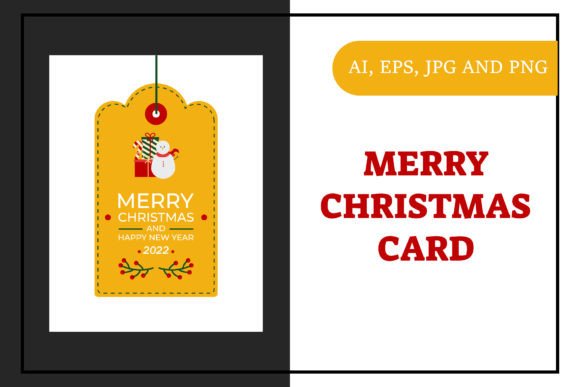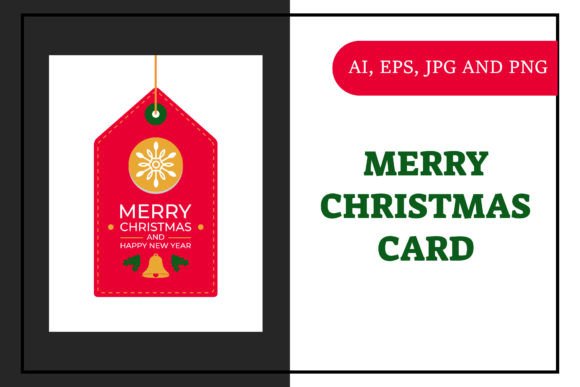
Merry Christmas Card 4: Festive Illustrations for Brands
As a brand designer and content marketer, my first interaction with a new graphic design asset is always critical. I am not just looking at pixels; I am evaluating potential audience perception, emotional resonance, and versatility across a marketing ecosystem. Upon reviewing Merry Christmas Card 4, the immediate impression is one of warmth and nostalgic charm. This piece does not scream for attention with neon brightness; instead, it invites the viewer in with a sophisticated, hand-crafted feel that suggests quality and care. For small business owners and creative entrepreneurs, this mood is invaluable. It signals that your brand values tradition and connection, making it an ideal choice for lifestyle content, handmade product promotions, or editorial graphics that require a softer, more human touch.
Integrating Seasonal Visuals into Real Campaign Workflows
To understand the true value of Merry Christmas Card 4, let us frame this within a real-world marketing project. Imagine a boutique coffee roaster launching a limited-edition holiday blend. They need to refresh their social media visuals and create a content kit that stands out amidst the noise of generic red-and-green sales banners. Here, Merry Christmas Card 4 serves as the anchor for their visual identity. Because it functions as a high-quality illustration rather than a sterile stock photo, it adds a layer of authenticity that modern consumers crave.
In this scenario, the asset supports content that needs to attract attention without looking messy. It provides a clear focal point that allows for overlay text without sacrificing readability. Whether used as a hero graphic on a website header or as the primary visual in an email banner, it establishes a consistent tone. For brand owners, this consistency builds audience trust. When a customer sees the same distinct artistic style on an Instagram post, a Pinterest pin, and a packaging insert, it reinforces professional branding and strengthens recognition.
Maximizing Versatility Across Marketing Channels
The strength of Merry Christmas Card 4 lies in its adaptability across various design assets. In the realm of social media graphics, it performs exceptionally well as a background element for quote cards or announcement posts. Its composition likely offers negative space, allowing marketers to place call-to-action buttons or promotional text effectively. For those managing digital ads on Facebook or Instagram, using this illustration can lower the "ad fatigue" factor because it feels like organic content rather than a hard sell.
Beyond social media, this asset shines in packaging design and product labels. If you are selling physical goods, printing this illustration on a sticker or a box sleeve can elevate the unboxing experience. It transforms a simple transaction into a memorable brand moment. Furthermore, for publishers and bloggers, it serves as excellent editorial design material. Placed within a blog post about holiday traditions or gift guides, it breaks up text and adds visual interest, improving the overall user experience on the page.
- Brand Identity: Use it to define the seasonal look and feel of your logo adaptations.
- Content Marketing: Integrate it into lead magnets and media kits to show attention to detail.
- Printable Promotions: Ideal for event flyers, posters, and holiday cards sent to VIP clients.
- Digital Product Visuals: Perfect for covering e-books or online course modules released in December.
Strategic Limitations and Design Considerations
While Merry Christmas Card 4 is a powerful tool, a professional designer knows that no single asset works everywhere. There are specific contexts where this illustration should be used carefully. For instance, in formal corporate branding or highly minimal brands that rely on stark geometry, this festive illustration might feel too decorative or soft. It could clash with a brand voice that is strictly utilitarian or serious.
Additionally, caution is required when dealing with dense information layouts. If your design requires a lot of data, charts, or lengthy legal disclaimers, a detailed illustration can compete with the main message, creating visual clutter. Similarly, on small mobile graphics where screen real estate is premium, intricate details of the illustration might get lost or appear muddy. Always test the asset at thumbnail size to ensure the core message remains clear. Avoid placing it on low-contrast backgrounds where the colors of the illustration might blend in, reducing its impact.
Practical Notes for the Modern Designer
Before deploying Merry Christmas Card 4 in a paid campaign or client work, there are several practical steps to take. First, test it with your brand color palette. Even though it is a standalone piece, see how it interacts with your primary and secondary brand colors. Does it harmonize, or does it fight for dominance? Next, check its usage in black and white. Some printable designs lose their charm when converted to grayscale, so verify that the contrast holds up if you plan to use it in monochrome printing.
Typography pairing is another crucial element. This type of creative design often pairs beautifully with serif fonts for a classic look or handwritten fonts to enhance the personal feel. However, avoid overly decorative display fonts that might make the overall composition feel busy. Review the spacing and balance around the illustration; give it room to breathe. Finally, and most importantly, confirm commercial licensing. Ensure that your usage rights cover all intended platforms, from Canva templates sold to others to large-scale digital ads.
Ultimately, Merry Christmas Card 4 represents more than just a holiday image; it is a strategic component of visual hierarchy. When used correctly, it creates an emotional connection that drives engagement. For digital sellers, online coaches, and product creators, leveraging such high-quality Illustrations can be the difference between a forgettable post and a campaign that resonates deeply with your audience. By treating this asset as a foundational element of your seasonal strategy, you ensure that your brand appears polished, thoughtful, and ready for the holidays.