Bells and Bow Ties for Christmas: A Designer's Review
As we approach the peak of the holiday season, my design queue is overflowing with requests for festive custom apparel and home decor. Clients want something that feels traditional yet fresh, avoiding the clichés that often plague seasonal machine embroidery design options. When I first pulled up the Bells and Bow Ties for Christmas file on my screen, I wasn't looking for another generic snowflake or Santa face. I was looking for a graphic that could carry weight on a heavy sweatshirt but still maintain delicacy on a kitchen towel. This review breaks down how this specific illustration performs in real-world production environments, offering practical insights for fellow Etsy sellers, boutique owners, and hobbyists ready to stitch.
First Impressions and Visual Personality
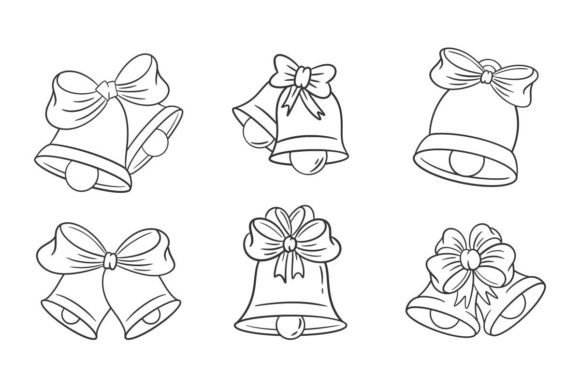
The initial visual impact of Bells and Bow Ties for Christmas is one of classic elegance. Unlike some modern, abstract holiday graphics that rely heavily on dense fill stitches, this design leans into the charm of line work and balanced negative space. The composition features traditional jingle bells intertwined with structured bows, creating a symmetrical layout that feels intentional and polished. As an Illustrations category asset, it retains a hand-drawn quality that translates surprisingly well into thread.
The mood it creates is nostalgic without being dated. For a designer, the immediate question is always about versatility. Does this look like a children's book clipart, or can it elevate a high-end brand? In this case, the clean lines suggest it can do both. The lack of overly complex shading means it won't turn into a muddy mess when stitched out in a single color on a dark garment, a common pitfall for many holiday files. It feels like a design that respects the medium of embroidery rather than trying to force a printed graphic aesthetic onto fabric.
Real-World Application: The Holiday Tote Test
To truly evaluate an embroidery file, you have to move beyond the screen and into the hoop. I recently used this design for a batch of custom canvas tote bags intended as corporate holiday gifts. The client wanted something sophisticated enough for professional use but festive enough for the season. Bells and Bow Ties for Christmas was the perfect candidate.
Working on canvas requires attention to stitch density. If a design is too dense, the fabric puckers; if it's too light, the background shows through awkwardly. This design struck a healthy balance. The bells utilized a combination of satin stitch for the outlines and lighter fill stitch areas that allowed the texture of the canvas to breathe. The bows, rendered with precise running stitches for the ribbons, added a nice textural contrast. The finished product looked crisp, with no significant pull or distortion, even after the items were washed and dried by the end-users. For a small shop product line, this level of reliability is crucial for maintaining customer trust.
Ideal Substrates and Product Matches
Based on my testing, here is where this design shines brightest:
- Sweatshirt Embroidery: The scale works perfectly on the chest or sleeve of a heavyweight fleece. The design doesn't get lost in the nap of the fabric.
- Kitchen Linens: On tea towels or aprons, the linear nature of the bells and bows prevents the fabric from becoming stiff, which is essential for functional items.
- Personalized Gifts: It serves as an excellent base for monogramming. Placing initials beneath the bow tie creates a cohesive, custom look for baby blankets or nursery decor.
- Embroidered Patches: Because the edges are well-defined, this digitization would translate beautifully to a merrow-edge patch for hats or jackets.
Technical Considerations and Potential Pitfalls
While Bells and Bow Ties for Christmas is a strong performer, it is not without its technical demands. Every designer knows that a file that looks good at 100% zoom can fail miserably when stitched at a smaller scale. If you are planning to use this on a cap or a small pocket, you must verify the minimum hoop size requirements. The intricate details of the bow loops and the clappers inside the bells could merge together if reduced too significantly, especially on textured fabrics like terry cloth or corduroy.
Another critical factor is stabilizer selection. Because the design relies on distinct shapes rather than a solid block of coverage, using the wrong stabilizer can lead to registration issues. On stretchy fabrics like jersey knits for custom apparel, a cut-away stabilizer is non-negotiable to prevent the design from warping over time. For woven fabrics like linen or cotton, a high-quality tear-away might suffice, but always test on scrap fabric first. I also recommend checking the thread colors against your specific palette. While the default simulation might look great, swapping a metallic gold thread for the bells can add a premium touch that elevates the perceived value of the finished product.
Commercial Viability and Brand Consistency
For craft business owners and digital embroidery file resellers, the commercial potential of this design is high. It fits seamlessly into the "farmhouse chic" and "traditional holiday" niches that dominate marketplaces like Etsy during Q4. However, before listing items made with this design, you must confirm the licensing terms. Some designers allow unlimited physical sales but restrict digital redistribution. Ensuring you have the right to sell handmade products featuring this art is vital for long-term business health.
From a branding perspective, consistency is key. If your shop specializes in minimalist modern goods, this illustrative style might clash unless adapted carefully. However, for brands focusing on warmth, tradition, and handmade quality, Bells and Bow Ties for Christmas reinforces those values effectively. It signals to the buyer that thought went into the design selection, enhancing the overall giftability of the item.
Final Verdict for Designers
In the world of commercial embroidery, time is money, and re-stitches eat into profits. Bells and Bow Ties for Christmas proves itself as a reliable asset that minimizes risk while maximizing aesthetic appeal. It handles well on a variety of materials, from sturdy tote bags to delicate baby clothes, provided the operator respects the technical limits of the stitch count and fabric type.
My advice to fellow makers is to treat this design as a versatile workhorse. Use it to create cohesive collections—matching pillow covers, table runners, and apparel—that tell a unified story. Test it in black and white mockups to ensure the contrast holds up without color reliance. Check the underlay settings if you are working with difficult fabrics. Ultimately, this design offers a blend of charm and professionalism that can help elevate your holiday offerings from simple crafts to boutique-quality merchandise. Whether you are decorating your own home or fulfilling orders for a busy December, this file is a worthy addition to your library.